October 08, 2026




Badgers live alongside us in a way few wild mammals manage, yet most people see them only as a grey blur crossing a lane at dusk. Follow one animal through the calendar, though, and a clear rhythm emerges. The badger's year is a steady cycle of digging, feeding, mating and resting, shaped by weather, daylight and the supply of earthworms. Knowing that rhythm makes it far easier to understand what you are seeing, when to look for badgers, and how to watch them without causing harm.
By late February the worst of the cold is usually behind us, and badgers begin to stir. They do not hibernate, but through the hardest weeks of winter they may have spent days at a time underground in a state of torpor, living off the fat they laid down in autumn. As the ground warms, earthworms return to the surface and badgers return to feeding seriously.
Spring is also when most cubs are born. Litters of two or three are typical, arriving in February or early March in a chamber deep inside the main sett. The cubs stay below ground for several weeks, suckling and growing, while the adults come and go. You will not see them yet, but you may notice fresh spoil heaps outside the sett entrances as the adults clean and enlarge the tunnels.
Mating peaks in spring. Badgers have a quirk that helps them time their year: implantation of the fertilised egg can be delayed, so a female that mates now may not give birth until the following February. It is one reason badger reproduction is so closely tied to the seasons.
June and July are the best months for watching badgers. Daylight lasts so long that badgers often emerge before dusk, especially in fine weather. Cubs come above ground from around April or May, and by early summer they are a delight to watch: chasing, tumbling, and play-fighting near the sett entrances while the adults forage.
The family group, known as a clan, may move between setts during the summer. The main sett is still home, but annexe setts and smaller outlier setts get more use, perhaps to avoid parasites or to be closer to good feeding. Scent marking continues year-round. Look for latrines — shallow scrapes used as toilets — along paths and boundaries, which help define the clan's territory.
Diet broadens in summer. Earthworms remain the staple, but badgers take more insects, beetles and larvae, and will eat slugs, snails, berries and fallen fruit when they are available. They are opportunists, not fussy eaters.
Autumn is a season of plenty and preparation. Badgers feed hard on anything rich in calories: acorns, beech mast, hazelnuts, blackberries, windfall apples and cereals left after harvest. The aim is simple — lay down fat before the lean months arrive.
Mating happens again in autumn, with the same delayed implantation at work. Females that conceive now will usually give birth around the same time as those that mated in spring, keeping the cubs' arrival in step with the return of warm weather.
Sett maintenance steps up too. Badgers gather bedding — dry grass, bracken, leaves — and drag it underground to line the sleeping chambers. Fresh digging and large spoil heaps are common now as tunnels are cleared and enlarged before winter.
Badgers do not hibernate properly. Instead, during cold spells they enter torpor, a state in which body temperature and heart rate drop and the animal stays underground for days at a time. They emerge on milder nights to feed, but far less often than in summer.
The main sett becomes the focus of life. It offers the best insulation, and badgers may block some entrances with bedding to keep the cold out. On the coldest days you may see little sign of activity at all. Then a thaw arrives, and fresh tracks and new digging appear as the clan ventures out again.
Fresh digging, tracks in mud or snow, and newly cleared entrances are all clues that badgers are still active. After a mild, wet night, look for muddy footprints along paths leading away from the sett.
Cubs are born in February, so by late winter the sett is holding pregnant females as well as the rest of the clan. Food is scarce, and the fat reserves laid down in autumn are what carry the animals through.
The menu shifts with the seasons, but the core stays the same. Earthworms make up the largest part of the diet when conditions are right — mild, damp nights are ideal. Beyond that, badgers will take:
They do not store food, so winter survival depends on body fat and on keeping activity low during the coldest weather.
If you want to see badgers for yourself, a little care goes a long way. Find a sett with clear signs of use, then follow these simple rules:
Badgers are protected by law in the UK, and disturbing them at a sett is an offence. Watch from a distance, enjoy the sight of cubs tumbling in the long grass, and leave everything as you found it. A quiet hour at dusk is often enough to see one of Britain's most charismatic mammals going about its year.
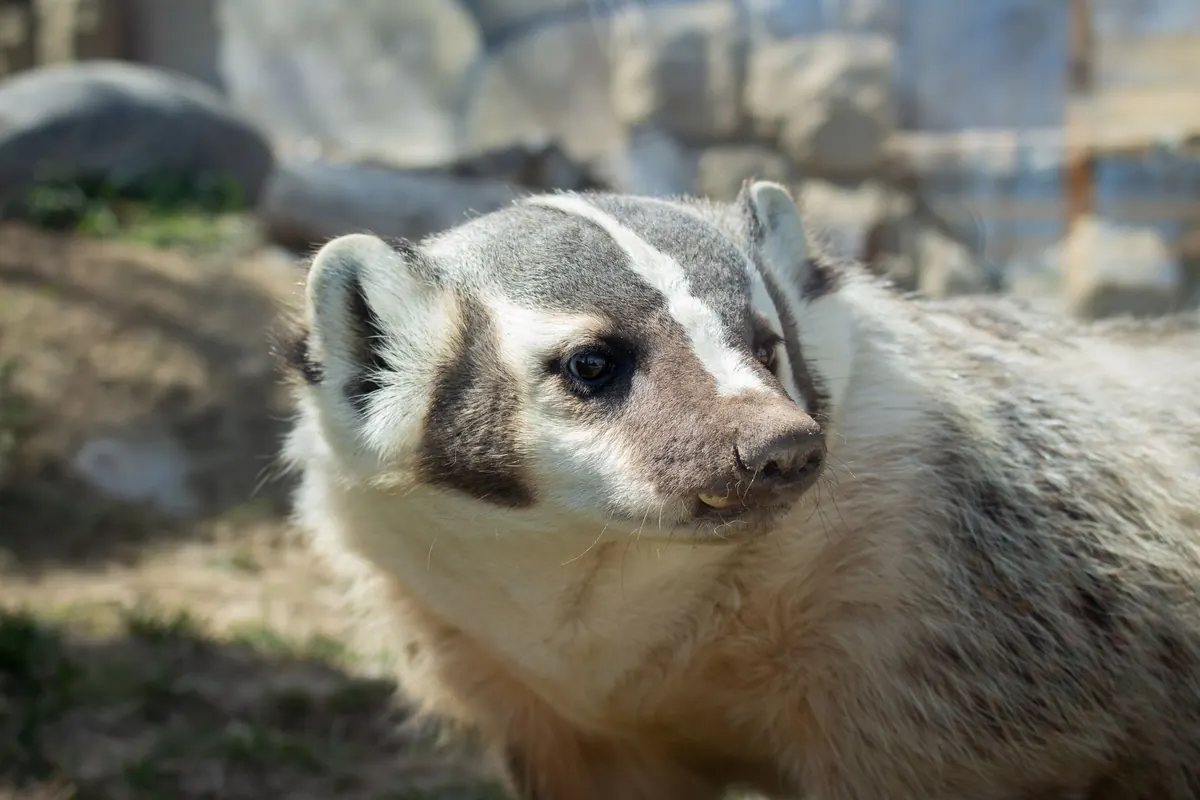
Photo: Ana Pereira / Pexels
Everything you need to know about badgers.
Copyright © 2026 Badger Zone. All rights reserved. Badger Zone.